You don't need a better flagship. You need a better reason to build one.
Across the telecommunications industry, flagship stores are back. As brands look to reignite growth and strengthen customer relationships, significant investment is once again flowing into physical retail.
New concepts are being commissioned, innovation hubs are taking shape and ambitious stores are being positioned as the physical expression of the brand's future. Yet listening to many of these conversations, I can't help wondering whether we're starting in the wrong place. The question isn't whether we need better flagships. It's whether we've mistaken the flagship for the strategy itself.
The conversation that follows is almost always the same. What should the telco flagship look like? What technology should it showcase? What experiences should it contain? How should it differentiate itself from every other store in the estate?
These are all important questions.
I simply don't think they are the first questions.
There is an assumption that sits quietly behind almost every flagship project, yet it is rarely questioned. The assumption is that the flagship itself is the end goal, rather than the starting point of something much bigger. We begin by designing an exceptional store, investing in architecture, technology and experiences that set it apart from the rest of the estate. Once complete, we celebrate its opening, generate media attention and industry interest and hope it will inspire customers, influence the wider network and establish a new benchmark for the brand. The flagship itself becomes the measure of success.
It is an entirely logical approach.
Yet I wonder whether we have mistaken the starting point for the destination.
Before deciding what the flagship should become, we first need to answer a much more fundamental question.
What role should physical retail play in the future of the business?
Only then can we decide what today's telco flagship is actually there to do.


The future may never arrive exactly as imagined, but defining a clear direction matters. Without one, retail becomes a series of disconnected improvements. With one, they become deliberate steps towards a shared ambition. Once that ambition is clear, the role of retail is no longer just to optimise the present, but to accelerate the journey towards that future. The role of the store has never been fixed. It has always evolved alongside technology, customer expectations and society itself. The question is whether it needs to evolve again.
There was a time when the phone shop was the place to visit on the high street. When slider phones, flip phones and, later, touchscreens became status symbols of a technological future we all wanted to be part of, these stores became places of desire. We had to go. Not because we needed to, but because we wanted to.
For over a decade, telecommunications stores have been designed around moments of need. We visit because our contract is ending, our broadband has stopped working, our phone needs replacing, or we simply need help. These moments matter. In fact, as our lives become more connected and technology becomes more complex, trusted human expertise may become even more valuable.
But perhaps being relevant only in those moments is no longer enough.
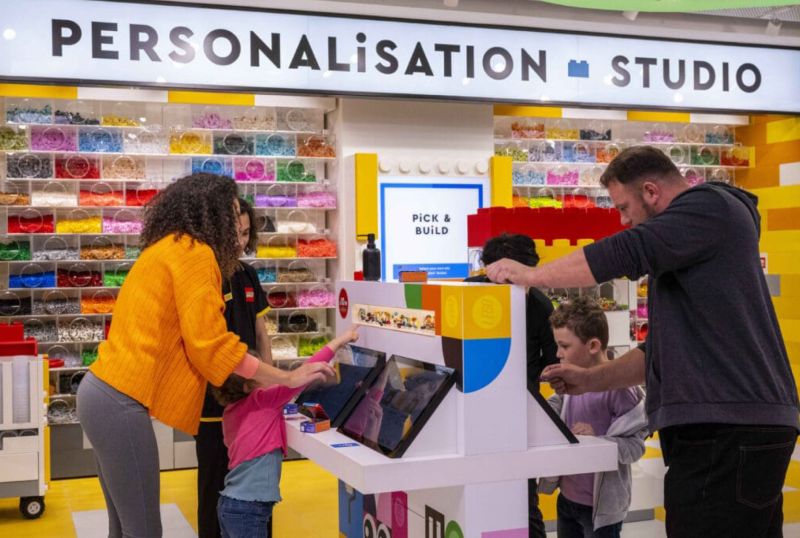
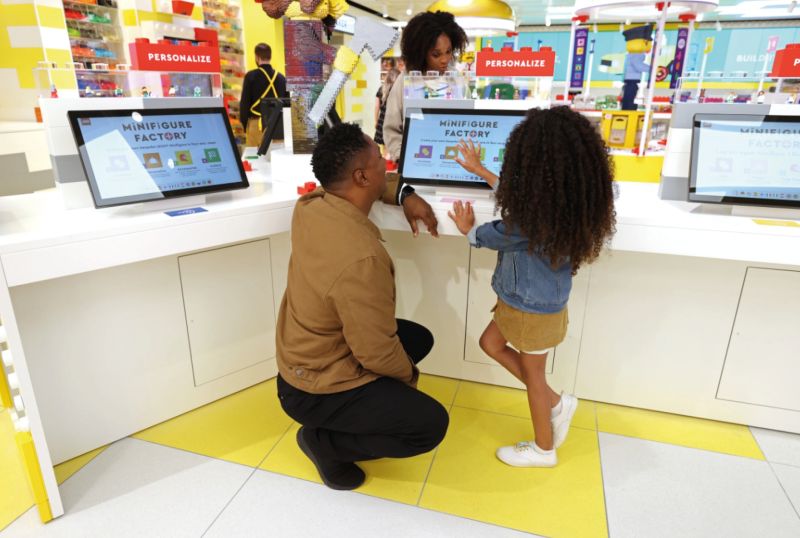
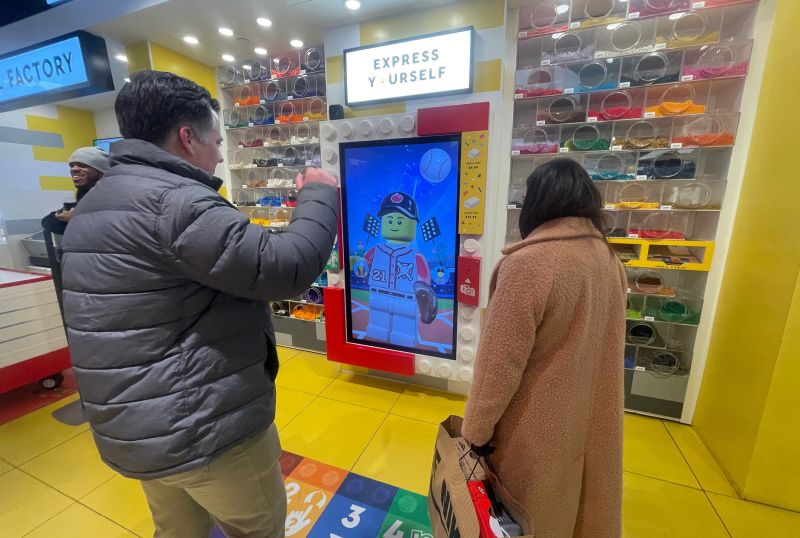
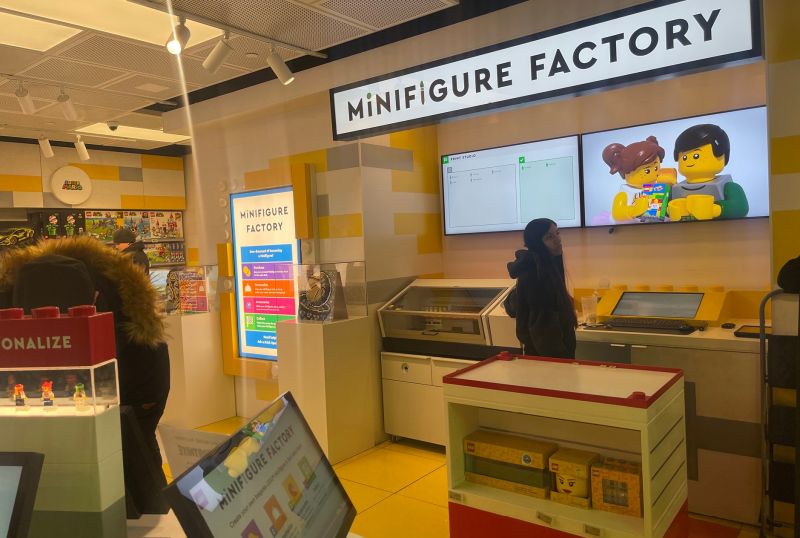
Think about the relationship most customers have with their telecommunications provider. A mobile contract might last two years. A broadband service may remain in the home for a decade. Yet the physical store is often only relevant for a handful of moments during that entire relationship. The vast majority of the time, people are simply getting on with their lives, using technology to work, learn, create, connect and be entertained. If retail only becomes relevant when something goes wrong, or when it's time to renew a contract, it will always occupy a surprisingly small place in people's lives.
The opportunity lies in becoming valuable between those moments.
People don’t build lasting relationships with places because they are efficient, nor because they are spectacular. They return because those places become useful parts of their lives. We don't choose a favourite café just because it serves coffee faster than anywhere else. We choose it because it gives us somewhere to work, think, meet friends or simply pause for a while. We return to gyms because they help us become healthier. We visit community spaces, like libraries and museums because they give us places to learn, connect and grow. The transaction is almost incidental. What keeps us coming back is the value these places continue to create long after the original need has been met.
Perhaps telecommunications retail should aspire to play a similarly valuable role by asking a different question.
How can we become valuable to people when they don't actually need us?

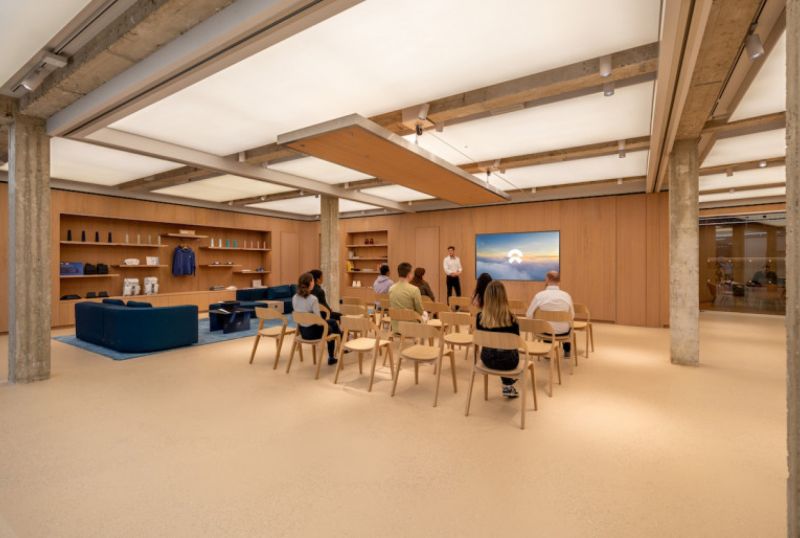
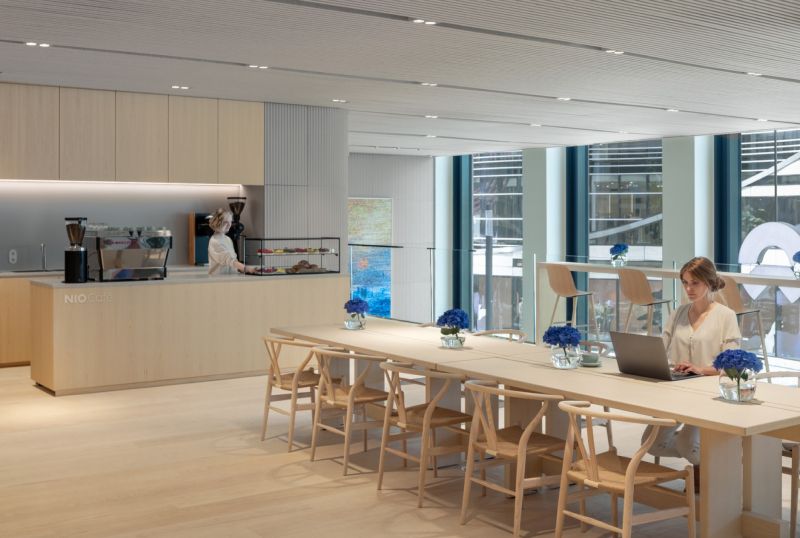
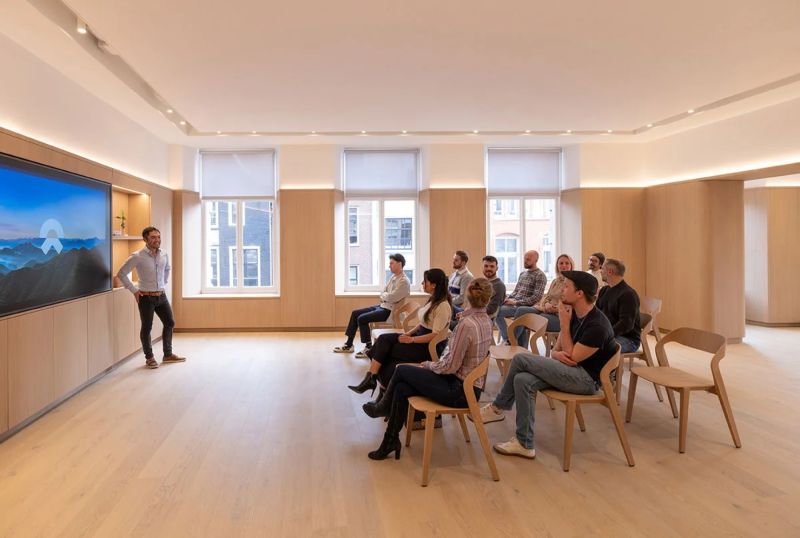

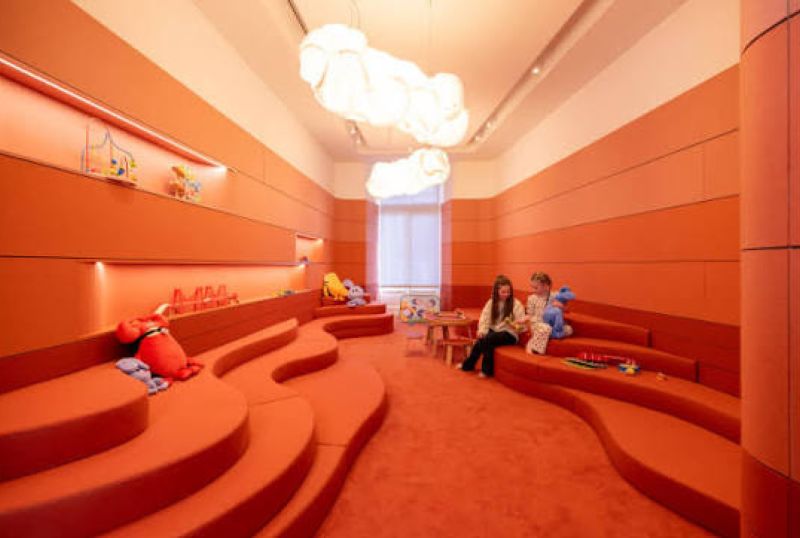

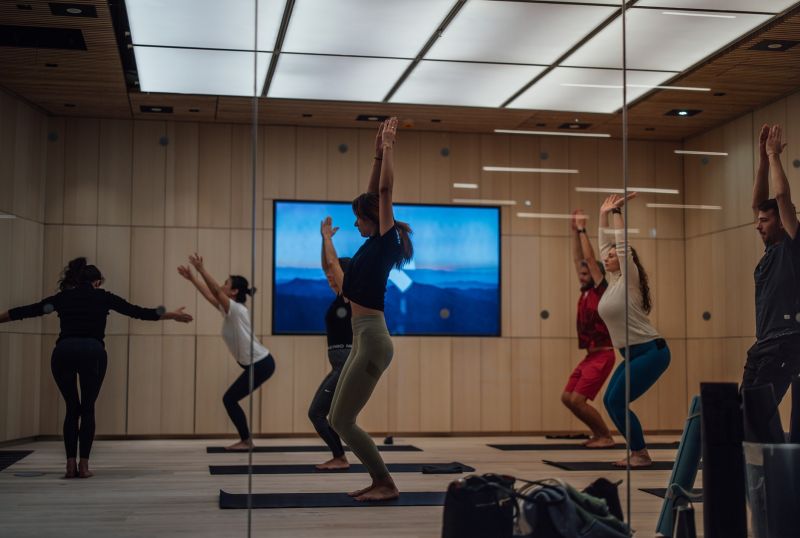
That question shifts the conversation away from stores as places customers have to visit and towards places they choose to visit. It moves retail beyond transactions and into relationships. It asks how physical retail can earn a place in the everyday rhythm of people's lives, rather than existing only at moments of need.
For years, telecommunications retail has focused on explaining technology. Devices. Networks. Tariffs. Features. Speeds. We have become increasingly good at helping customers understand what the technology is and how it works. Yet customers rarely aspire to own a faster router or a more powerful smartphone for their own sake. They aspire to what those things enable.
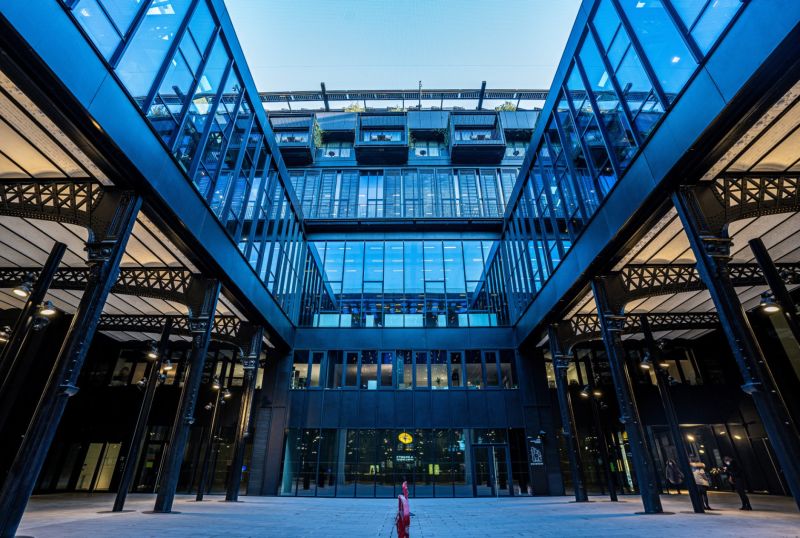
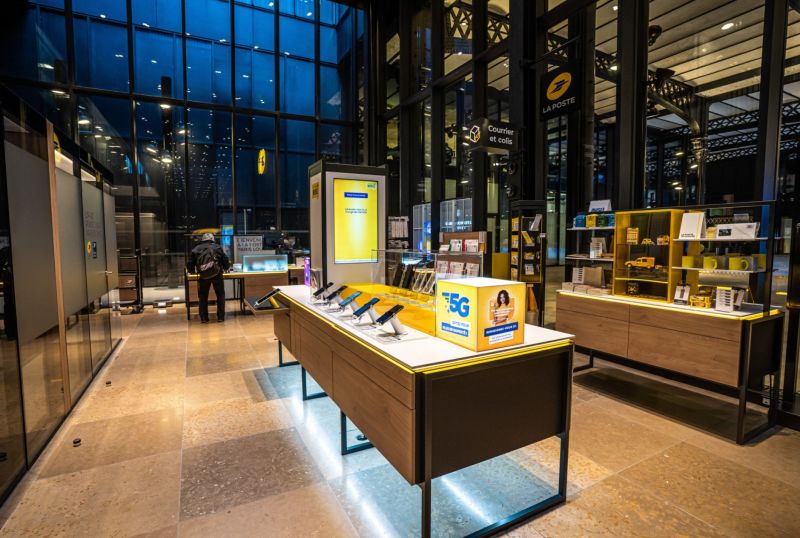
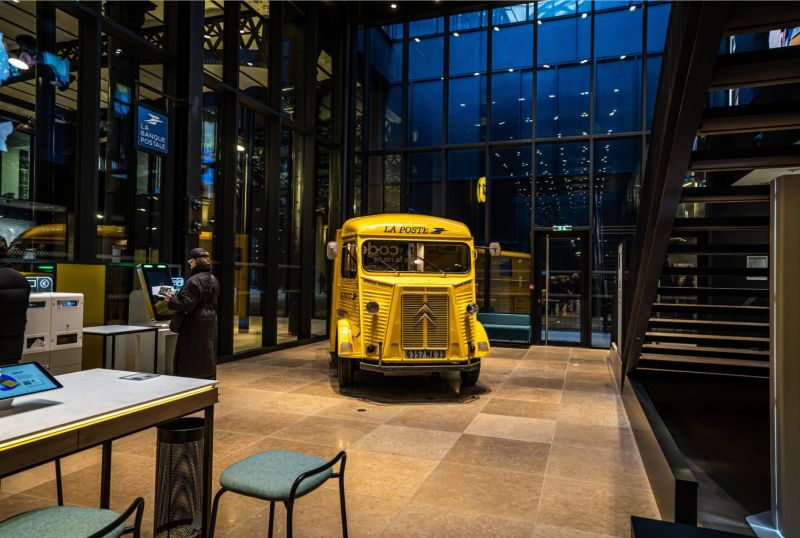
Technology helps parents protect their children online. It allows families to stay connected across continents. It enables entrepreneurs to build businesses from spare bedrooms. It gives creators new ways to express themselves and increasingly helps all of us navigate a world where almost every aspect of life has become digital.
Perhaps, then, the role of the store is not simply to explain technology.
It is to help people make better use of it.
Seen through this lens, physical retail begins to play a very different role. It no longer exists solely to solve problems. It becomes a place that helps people participate more confidently in an increasingly connected world. It earns relevance because it consistently adds value to customers' lives.
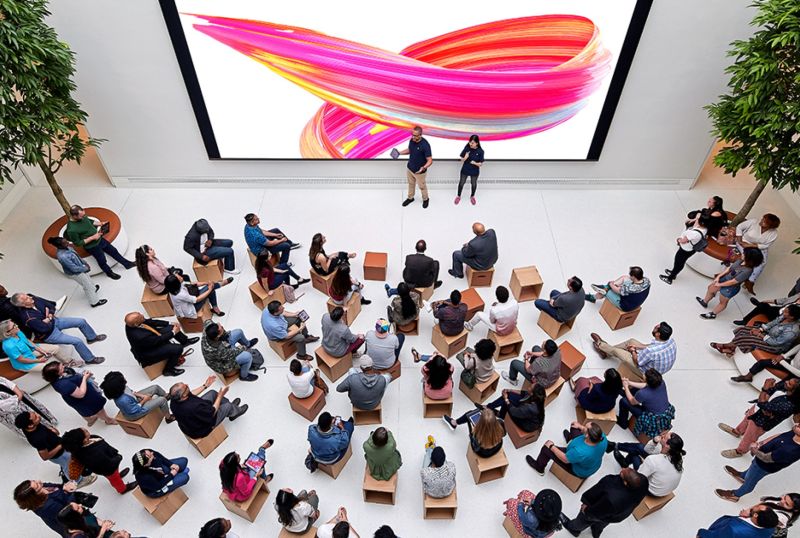
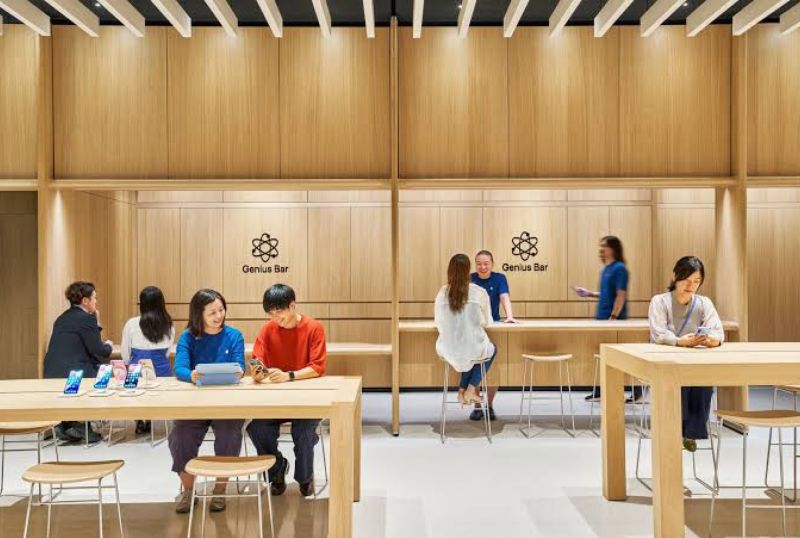
And that brings us back to the flagship.
Perhaps the greatest mistake in flagship retail is believing that the flagship is the strategy.
It isn't.
A flagship is the physical expression of a strategy that already exists. Its purpose is not to invent the future, but to make the future tangible.
Once an organisation has defined the future role of physical retail, the purpose of today’s telco flagship becomes much clearer. It is no longer simply a showcase for architecture, technology or innovation. It becomes the first place where a new relationship between the brand and its customers can be experienced. It gives customers a tangible experience of that future. It gives employees a shared vision to believe in. Its greatest contribution is not that it stands apart from the wider estate, but that it gives the wider estate something meaningful to evolve towards. Viewed this way, every successful flagship creates value in three distinct ways.
For the business, it strengthens the relationship customers have with both the brand and the store by earning a place in the everyday rhythm of people's lives, not simply at moments of need.
For customers, it becomes the place where the brand is experienced rather than explained, leaving people more confident, more capable and better equipped to make the most of an increasingly connected world.
For the organisation, it provides a compelling vision for the future of retail—a shared reference point that aligns leadership, inspires employees and guides the evolution of the wider estate over time.


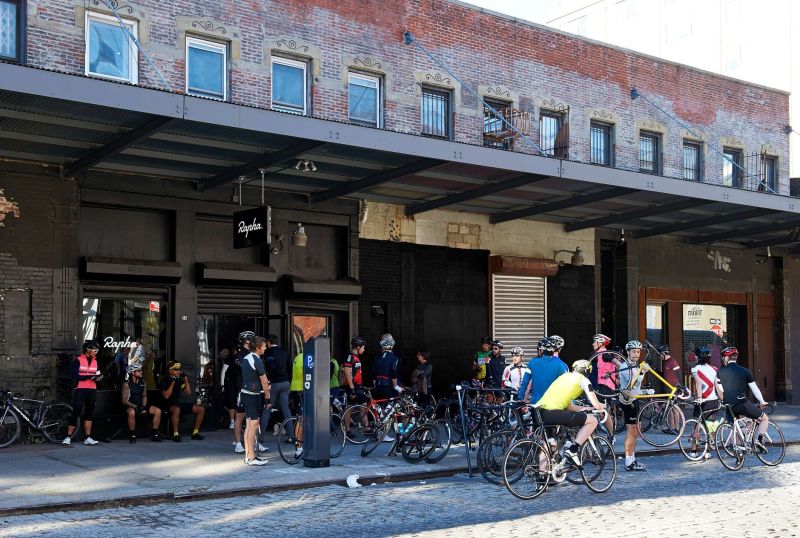
The most successful telco flagship will not be remembered because it was the biggest, the most technologically advanced or the most visually spectacular. It will be remembered because it changed the role the store played in people's lives.
Changing that role begins with a more fundamental question: what role should physical retail play in people's everyday lives, today and in the future? Once that question has been answered, the flagship is no longer asked to define the future. It simply becomes the first physical expression of it.